
Best Time to Visit Japan: Weather, Crowds and Costs by Season
- 1 day ago
- 3 min read
Updated: 3 hours ago
Best Time to Visit Japan
There is no single best month for every Japan trip. Spring is famous for cherry blossoms, autumn is loved for comfortable weather and colorful leaves, summer brings festivals and mountain trips, and winter can be excellent for snow, hot springs and fewer crowds.
Instead of choosing a season because it looks good in photos, choose it based on what you want to do. Weather, crowds, accommodation prices and daylight can all change the experience.
Spring: beautiful, popular and worth planning around
Spring is one of the most popular periods for international visitors, especially when cherry blossoms are expected. The appeal is obvious, but popularity also means that famous parks, temples and central neighborhoods can become very busy.
Best for: cherry blossoms, gardens, comfortable sightseeing weather and seasonal photography.
Watch for: large crowds, higher demand and changing blossom timing.
Planning tip: keep your itinerary flexible if seeing blossoms is a major priority because bloom timing varies by location and weather.
Summer: festivals, greenery and longer days
Summer can be hot and humid in many parts of Japan, but it is also a lively season. Festivals, fireworks, mountain areas and regional events can make summer rewarding if you plan around the heat.
For city sightseeing, start early and use indoor attractions during the hottest part of the afternoon. If you want a more comfortable summer trip, consider mixing major cities with cooler mountain or northern destinations.
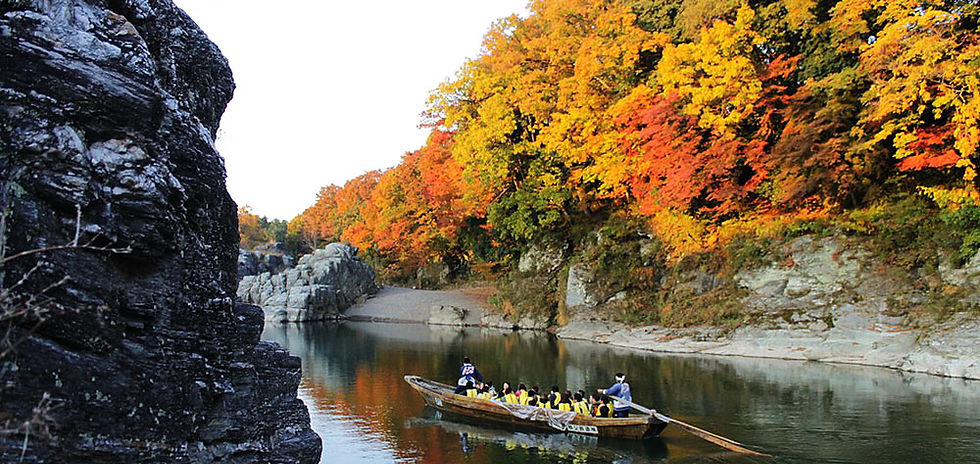
Autumn: one of the easiest seasons for sightseeing
Autumn is popular for good reason. Many travelers enjoy the combination of comfortable temperatures, seasonal foliage and a generally pleasant atmosphere for walking around cities and temples.
Best for: foliage, walking-heavy itineraries, gardens and scenic day trips.
Watch for: popular foliage spots becoming crowded at peak color.
Planning tip: do not assume every region changes color at the same time; your route matters.
Winter: fewer crowds and a different side of Japan
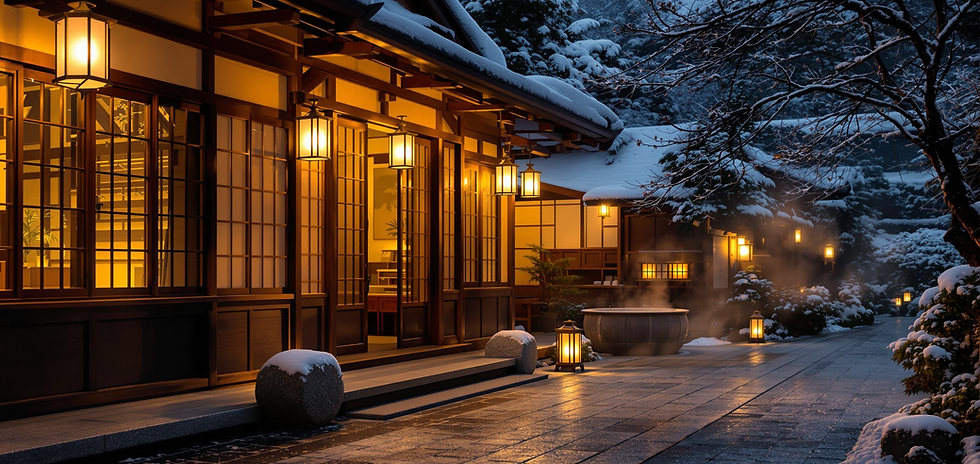
Winter can be a smart choice if you do not mind colder weather. Urban sightseeing can be calmer, while destinations known for snow, skiing and onsen offer experiences that are difficult to reproduce in other seasons.
The trade-off is shorter daylight and colder conditions. Pack for the destination rather than assuming all of Japan feels the same in winter.
So when should first-time visitors go?
If your priority is comfortable sightseeing and you do not have a specific seasonal event in mind, spring and autumn are easy choices. If you want lower-season travel and do not mind colder or hotter weather, winter or summer can work very well.
The best answer also depends on where you are going. Tokyo, Kyoto and Osaka can be visited throughout the year, but a trip focused on skiing, beaches, hiking or seasonal festivals should be planned around those activities first.
Japan by season at a glance
Spring: mild sightseeing conditions, flowers, high demand in popular periods.
Summer: hot and humid in many cities, festivals, greenery and long daylight hours.
Autumn: comfortable sightseeing weather, foliage and strong demand around famous viewing areas.
Winter: cold weather, snow destinations, onsen and generally quieter urban sightseeing.
How crowds affect your itinerary
Crowds are not only about the number of tourists. They affect how long you spend in lines, how early you need to arrive at famous attractions and how difficult it can be to find accommodation in the most convenient neighborhoods.
If you travel during a popular season, build some flexibility into each day. Put your highest-priority sights early in the day and leave less time-sensitive activities for later.
What about travel costs?
Prices vary with demand, destination and accommodation type, so there is no universal rule that one season is always cheap and another is always expensive. Your biggest savings often come from choosing accommodation carefully and avoiding peak-demand dates rather than simply choosing a season.
If cost is important, compare your likely hotel prices and transportation costs for the dates you are considering before committing to a route.
Choose your season based on your trip
Write down the three experiences you most want from Japan.
Check which season best supports those experiences.
Compare expected crowds and accommodation demand.
Build a route that avoids unnecessary backtracking.
Leave some flexibility for weather and seasonal conditions.
Once you know your season, use our Japan Travel Itinerary: How to Plan Your First Trip to Japan to turn that decision into a practical route.
The bottom line
Japan works in every season, but the right season depends on what you want to see and how you like to travel. Choose the experiences first, then balance weather, crowds, costs and daylight. That approach is more reliable than chasing a single 'perfect' month.


Comments