
14-Day Japan Itinerary: The Classic Golden Route
- 5 days ago
- 3 min read
Updated: 2 days ago
Two weeks is an excellent amount of time for a first trip to Japan. This classic Golden Route combines the country’s biggest cities with historic neighborhoods, mountain scenery, temples, food destinations and a memorable Hiroshima and Miyajima stop.
The key is not to treat every day as a checklist. Stay several nights in Tokyo and Kyoto, group attractions by area, and use the Shinkansen for the longer city-to-city moves. This keeps the trip efficient without making it feel like a race.
14-day route at a glance

Days 1–3 — Tokyo: Asakusa, Shibuya, Meiji Jingu, Shinjuku and a flexible theme day.
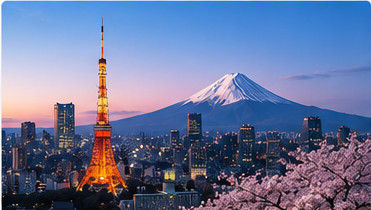
Day 4 — Hakone: Mt. Fuji scenery, Lake Ashi, sightseeing and an optional onsen stay.
Days 5–8 — Kyoto: Fushimi Inari, Kiyomizu-dera, Higashiyama, Arashiyama, Gion and food districts.
Day 9 — Nara: Nara Park, Todaiji and Kasuga Taisha as an easy day trip.
Days 10–11 — Hiroshima and Miyajima: Peace Memorial Park, Atomic Bomb Dome and Itsukushima Shrine.
Days 12–14 — Osaka: Namba, Dotonbori, Osaka Castle, Umeda, markets, food and departure.
Days 1–3: Tokyo
Start gently after your international flight. Asakusa is a useful first stop because Senso-ji, Kaminarimon and the surrounding streets can be explored without a complicated plan. On the next day, combine Meiji Jingu, Harajuku and Shibuya, then finish in Shinjuku.
Keep one Tokyo day flexible. Choose shopping, traditional neighborhoods, anime and pop culture, food, museums or a modern attraction rather than trying to cover several unrelated districts in one day.
Day 4: Hakone
Hakone breaks up the urban portion of the trip with mountain scenery and hot-spring culture. Depending on weather, build the day around Lake Ashi, the ropeway area and the Open-Air Museum. An overnight stay makes the experience more relaxing, while a day trip works if you prefer fewer hotel changes.
Days 5–8: Kyoto
Kyoto deserves several nights because its major sights are spread across different areas. Start early at Fushimi Inari, explore Kiyomizu-dera and Higashiyama, then reserve another day for Arashiyama. Leave evenings for Gion, Pontocho and Kyoto’s food scene.
Avoid packing every famous temple into a single day. The best Kyoto days usually combine two or three major sights with time to walk, eat and explore smaller streets.
Day 9: Nara
Nara works naturally between Kyoto and the western part of the trip. Visit Nara Park and Todaiji, then continue to Kasuga Taisha if time allows. Return to Kyoto for the night or position yourself for the next long-distance journey.
Days 10–11: Hiroshima and Miyajima
Give Hiroshima enough time for both its history and its surrounding attractions. Visit the Peace Memorial Park and Atomic Bomb Dome, then use the following day for Miyajima and Itsukushima Shrine. This is a more reflective section of the itinerary, so allow a slower pace.
Days 12–14: Osaka
Finish in Osaka, where the emphasis can shift toward food, shopping and nightlife. Namba and Dotonbori are ideal for an energetic first evening. Add Osaka Castle, Umeda and Kuromon Market according to your interests, keeping the final day flexible for shopping and departure.
Where to stay
Choose accommodation near a major station rather than focusing only on the lowest room rate. In Tokyo, Shinjuku, Shibuya, Ueno, Asakusa and Tokyo Station can all work. In Kyoto, Kyoto Station and the central Kawaramachi area are practical bases. In Osaka, Namba is especially convenient for first-time visitors.
Transport strategy
Use an IC card for everyday city travel and buy Shinkansen tickets for the long-distance sections of this route. A rail pass should be evaluated against your actual itinerary rather than assumed to be the cheapest option. Always check current schedules and fares before travel.
Booking and planning tips
Book international flights and hotels first, especially during cherry blossom and autumn periods.
Reserve major timed attractions and special experiences once your dates are fixed.
Keep at least one flexible block every few days for weather, shopping or simply resting.
Use luggage-forwarding services or travel light when moving between several cities.
This route is a strong starting point, not a rigid schedule. Adjust the balance between Tokyo, Kyoto and Osaka to match your interests, then use the detailed city guides on JapanTravel.cc to build each day around neighborhoods rather than isolated attractions.
👥 | Tours & experiences: Explore Japan Golden Route tours on GetYourGuide → |
🎟️ | Tickets & activities: Explore Japan Golden Route activities on Klook → |


Comments